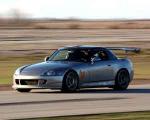
cooling of vented hood


Thread Starter

Joined: Jan 2008
Posts: 1,279
Likes: 9
 cooling of vented hood
Hi guys, I'm trying to figure out if i need a vented hood so seeking some input from the racers. My car isn't heavily modified and is NA. So far i'm not taking part in any endurance races and i've got greddy oil cooler + koyo radiator which keep my water and oil temp (oil max 105 deg c after 15 hot laps) rather well controlled.
i'm wondering how much appreciable difference a vented hood will make to my setup. i'm not really interested in how it looks but more interested in how it will go.
Slight weight savings are possible but i dont really feel that it will be significant to my track performance
a cooler engine bay perhaps but as i'm not doing endurance, i'm not too convinced it will be too much of a difference
not too sure about the aero effects if any...
your comments will be appreciated.
i'm wondering how much appreciable difference a vented hood will make to my setup. i'm not really interested in how it looks but more interested in how it will go.
Slight weight savings are possible but i dont really feel that it will be significant to my track performance
a cooler engine bay perhaps but as i'm not doing endurance, i'm not too convinced it will be too much of a difference
not too sure about the aero effects if any...
your comments will be appreciated.



Joined: Apr 2008
Posts: 1,840
Likes: 21
From: Salt Lake City, UT
My understanding is that as air flows into the air dam and through the radiator, the air is heated (which subsequently expands and/or increases in pressure) as heat is transferred from the coolant to the air. Without a vented hood, hot air and increased pressure builds up underneath the hood. With a vented hood, the hot air and increased pressure is relieved.
1) Because the increased pressure is relieved behind the radiator, there is a greater pressure gradient across the radiator, which allows more airflow through the radiator and therefore better cooling.
2) Because the increased pressure is relieved underneath the hood, there is a decreased pressure gradient across the hood, reducing lift.
3) Because the increased pressure in the engine bay is relieved, less air flows underneath the car, reducing lift.
4) Because the engine bay temps are cooler, intake air temps are also cooler, which may increase power.
That's how I see it playing out in my head anyway... I'm getting ready to pull the trigger on one myself. Potential benefits: cooler engine temps, more power, less lift. Potential disadvantages: dirty engine bay after a rainy day? Thoughts, anyone?
1) Because the increased pressure is relieved behind the radiator, there is a greater pressure gradient across the radiator, which allows more airflow through the radiator and therefore better cooling.
2) Because the increased pressure is relieved underneath the hood, there is a decreased pressure gradient across the hood, reducing lift.
3) Because the increased pressure in the engine bay is relieved, less air flows underneath the car, reducing lift.
4) Because the engine bay temps are cooler, intake air temps are also cooler, which may increase power.
That's how I see it playing out in my head anyway... I'm getting ready to pull the trigger on one myself. Potential benefits: cooler engine temps, more power, less lift. Potential disadvantages: dirty engine bay after a rainy day? Thoughts, anyone?

Registered User
Joined: Sep 2008
Posts: 4,926
Likes: 0
Originally Posted by VitaRenovatio,Mar 15 2010, 10:57 PM
My understanding is that as air flows into the air dam and through the radiator, the air is heated (which subsequently expands and/or increases in pressure) as heat is transferred from the coolant to the air. Without a vented hood, hot air and increased pressure builds up underneath the hood. With a vented hood, the hot air and increased pressure is relieved.
1) Because the increased pressure is relieved behind the radiator, there is a greater pressure gradient across the radiator, which allows more airflow through the radiator and therefore better cooling.
2) Because the increased pressure is relieved underneath the hood, there is a decreased pressure gradient across the hood, reducing lift.
3) Because the increased pressure in the engine bay is relieved, less air flows underneath the car, reducing lift.
4) Because the engine bay temps are cooler, intake air temps are also cooler, which may increase power.
That's how I see it playing out in my head anyway... I'm getting ready to pull the trigger on one myself. Potential benefits: cooler engine temps, more power, less lift. Potential disadvantages: dirty engine bay after a rainy day? Thoughts, anyone?
1) Because the increased pressure is relieved behind the radiator, there is a greater pressure gradient across the radiator, which allows more airflow through the radiator and therefore better cooling.
2) Because the increased pressure is relieved underneath the hood, there is a decreased pressure gradient across the hood, reducing lift.
3) Because the increased pressure in the engine bay is relieved, less air flows underneath the car, reducing lift.
4) Because the engine bay temps are cooler, intake air temps are also cooler, which may increase power.
That's how I see it playing out in my head anyway... I'm getting ready to pull the trigger on one myself. Potential benefits: cooler engine temps, more power, less lift. Potential disadvantages: dirty engine bay after a rainy day? Thoughts, anyone?

Thread Starter
Joined: Jan 2008
Posts: 1,279
Likes: 9
Thks Vita, would be great if we could find some data on this. hope some forumer has experience and data in this area to contribute?
query to add on: I'm currently looking at this offering from M&M honda
http://mandm-honda.com/product_ap1_bonnet_...on_type_s3.html
However, would a bonnet with gill like slashes be more beneficial to obtain all the potential benefits?
http://mandm-honda.com/product_ap1_bonnet_...on_type_t3.html
do appreciate your thoughts.
query to add on: I'm currently looking at this offering from M&M honda
http://mandm-honda.com/product_ap1_bonnet_...on_type_s3.html
However, would a bonnet with gill like slashes be more beneficial to obtain all the potential benefits?
http://mandm-honda.com/product_ap1_bonnet_...on_type_t3.html
do appreciate your thoughts.

Registered User
Joined: Jan 2007
Posts: 2,640
Likes: 2
From: SoCal
Originally Posted by VitaRenovatio,Mar 15 2010, 11:57 PM
Potential disadvantages: dirty engine bay after a rainy day? Thoughts, anyone?
Trending Topics

Registered User
Joined: Jun 2007
Posts: 1,389
Likes: 0
Very interesting points VitaRenovatio.
But wouldn't this decrease gas mileage in cold weather regions? I mean, with the whole engine cooling down too quickly between short trips and so on. Think I read that somewhere here on S2Ki.
But wouldn't this decrease gas mileage in cold weather regions? I mean, with the whole engine cooling down too quickly between short trips and so on. Think I read that somewhere here on S2Ki.