


A request for the engineering minded


Thread Starter
Registered User
Joined: Dec 2007
Posts: 1,403
Likes: 0
From: Ft. Myers/Cape Coral
 A request for the engineering minded
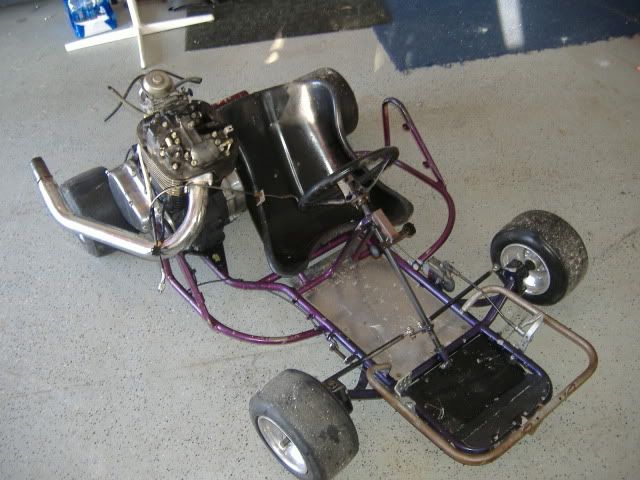
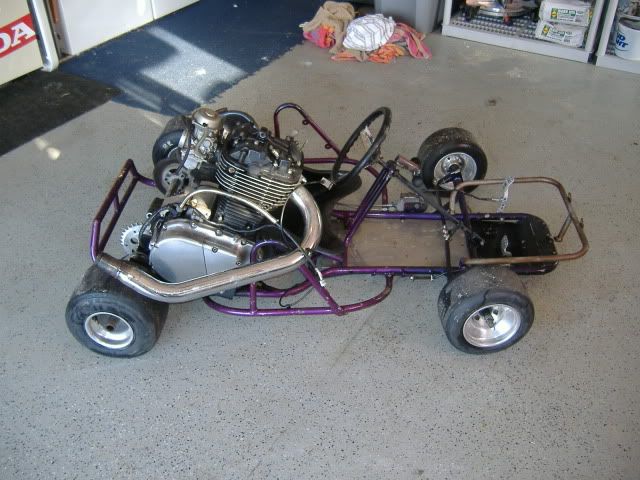
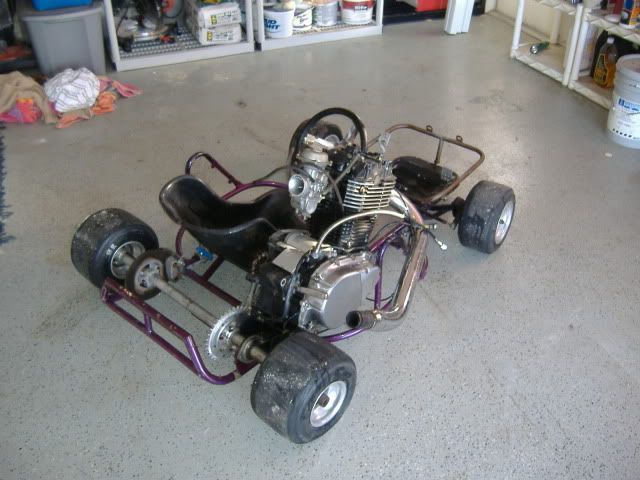
I'm working on a shifter kart project which I want to utilise a paddle shifter setup. The way I want to set it up is a clutch handle on the left side and a rocker typ paddle on the right with the top being upshift an dthe bottom being the downshift.
Now using cables for both up and down I can't figure out how to do it without running into the problem of both cables locking the mechanism in a fixed position. Does that make any sense?
Anyone have any ideas of how to do this?
Now using cables for both up and down I can't figure out how to do it without running into the problem of both cables locking the mechanism in a fixed position. Does that make any sense?
Anyone have any ideas of how to do this?

Registered User
Joined: Feb 2008
Posts: 2,514
Likes: 0
From: Knoxville, TN
tell that to the cable steering in my jet-ski... not to mention the thousands of different applications that use push-pull cable setups. One cable, one linkage, simple as pie...
imho, it'd be far easier to buy the proper cable and engineer a simple way for it to be used, than to engineer a twin-cable paddle setup.
[edit]Good place to start... http://www.push-pull.com/
imho, it'd be far easier to buy the proper cable and engineer a simple way for it to be used, than to engineer a twin-cable paddle setup.
[edit]Good place to start... http://www.push-pull.com/

Registered User
Joined: Jul 2007
Posts: 180
Likes: 0
From: Melbourne,Fl.
Teleflex cables, which come in a variety of lengths. They are used as the throttles of some boats and are stiff enough for the push/pull you are looking for.
Just go to any marine store or West Marine.
Just go to any marine store or West Marine.


Trending Topics

Registered User
Joined: Sep 2005
Posts: 1,931
Likes: 0
From: Sand box
just use the shift linkage off of an actual shifter kart. you pull the shifter towards you to shift up and push forward to down shift. now the way your wanting to do it would be quite unorthodox but doable. the shifters on motorcycle engines are push/pull types of transmissions. all you need to do is find out which directions shifts up and which direction shifts down. once you figured that out you would take the cables and route a long one towards the rear and the short one towards the front or which ever direction the shifter is facing. once it shifts into a gear the lever goes right back into its starting position so you will always have tension on the cables. have free moving paddles so that when you do shift it will move one of the paddles forward and not break the cable.
its a little difficult for me to explain because im more of a hands on sort of person so work with me a little.
its a little difficult for me to explain because im more of a hands on sort of person so work with me a little.

Thread
Thread Starter
Forum
Replies
Last Post