When you click on links to various merchants on this site and make a purchase, this can result in this site earning a commission. Affiliate programs and affiliations include, but are not limited to, the eBay Partner Network.
In a classical chassis dynamics, compression damping is there to control the unsprung mass and the spring. Knowing the mass, spring rate and motion ratio, you can calculate a theoretical ideal compression damping force. Compression damping is not really supposed to be used to control body motion (the sprung mass). Only in very unusual circumstances would you want to use compression damping to control body motion (like when a rules constraint prevents you from changing spring rates: SCCA stock class auto-x)
The vast majority of people that buy Koni Sports are putting them on dual use vehicles (track & street), or even primarily street driven cars. Increased compression forces are felt as transmitted harshness on bumps, and Koni provides no compression adjustment on the Sports. Therefore, they could add more compression to help a smallish group of customers (stock class auto-xers, and only for a small fraction of the car's in use time), at the expense of street driving comfort, or they could use stock or softer compression to maintain or improve the streetability of the shock. Further, I find that the amount of compression I can dial in is limited by how bumpy the site is, so with fixed compression, you are again driven toward soft to be safe. That's what I meant by being safe. Did that make sense?
Last year I went from Penske 8100 to the 8660 (like Kaolinte is trying), my motivation being a desire for a wider range of compression adjustment. The 8660 compression adjuster changes high and low speed compression. My original intent was to get 8760, which has high and low speed compression adjustment. However, the stock class rules say 2 external adjustment max.
My plan was to get the high speed compression dialed in, JB Weld the adjuster down, and wallah, back to two adjustments. A few people I talked to felt this was a pretty grey rule area I was venturing into, so rather than spend all the time and money on this I requested a clarification (which is now in the 2006 rule book - you can use a shock with more than 2 external adjustments, provided you permanently disable the extra adjusters). The clarification was slow in coming, and my shock builder said his experience was most customers usually only cranked on the high speed and that low speed was an extremely fine tuning tool. I trust him and time was running out, so I went with 8660's.
MarchHare:
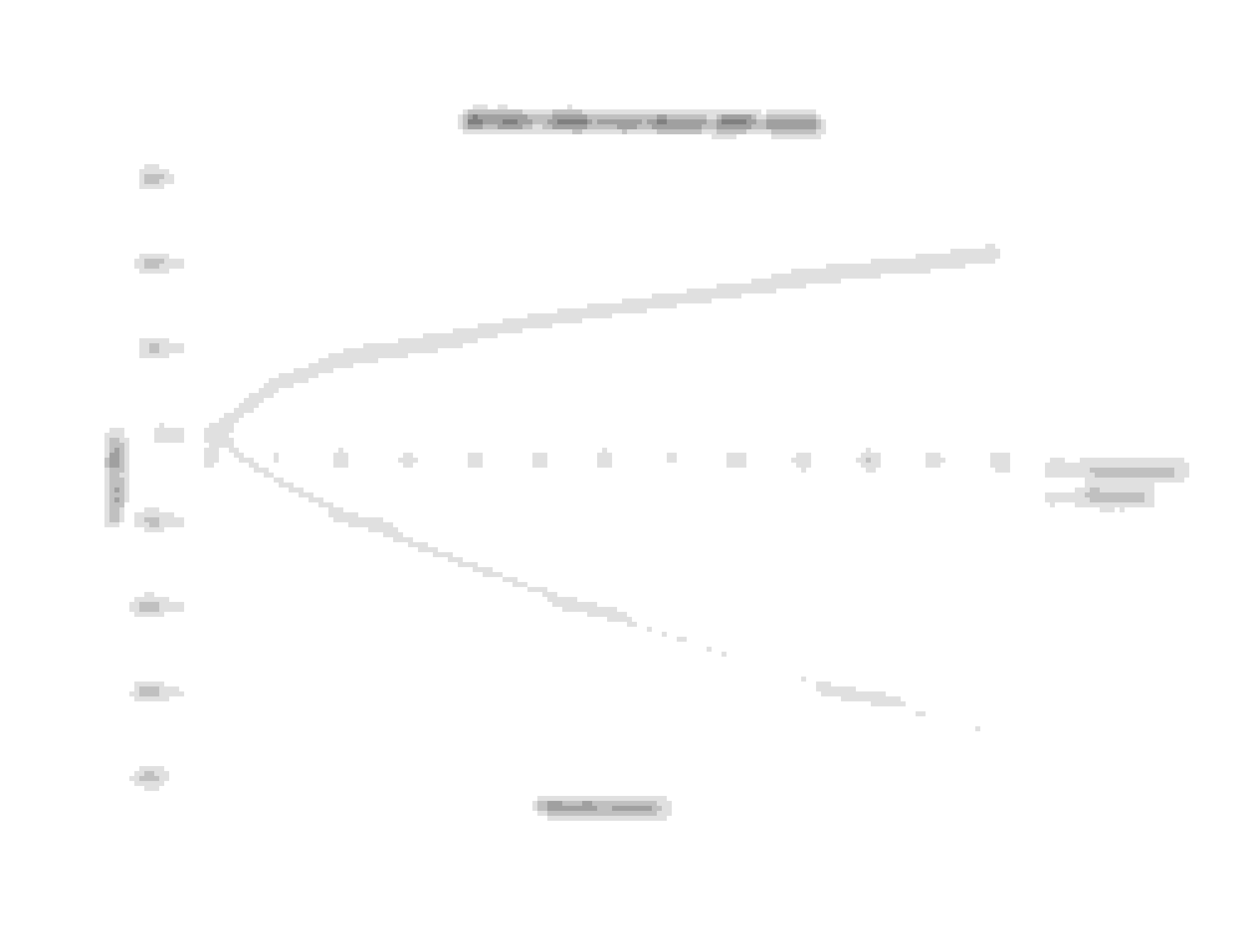
I think your confusion comes from the fact that the sign convention for all these plots is not consistent. The plots Kaolinte and I posted use (-) for rebound, while the plots spa-zz posted use (-) for compression. Also note that we are jumping between imperial and metric units on these plots.
Windscreen, thank you for the clarification. With different graphs using (-) for different values I'm sure you can understand my confusion. Your explaination clears up many issues.
I did notice the different scales used but as I'm sure you know the shapes of the curves are most valueable for comparisons.
Originally Posted by Kaolinte,Feb 9 2006, 10:19 AM
Here are the results from my OEM shocks
It looks like my shocks are still good as new.
I noticed 3 of 4 shocks slightly leaking around 59k (MY00), just installed Koni Sports a few weeks ago. The rear two were leaking more than the one front one. They still felt like they worked okay regardless of leaking (slight wetness of dirt on the shock body).
The Koni Sports definetly feel softer in compression based on my but dyno. I keep them adjusted at 50% firm both front and rear for street use.
For autocross I go firmer up front and to the softest setting in the rear to help prevent inside wheel spin. I have the comptech front sway bar on full stiff and run 225F/265R Kumho 710s. Everything else is stock.
Try running them full stiff in the rear for a couple runs. I found that the car would dive less on full stiff in the rear. I think it's because the shock is not propelling the rear wheel down like the stock shocks or any shock with a quick rebound.